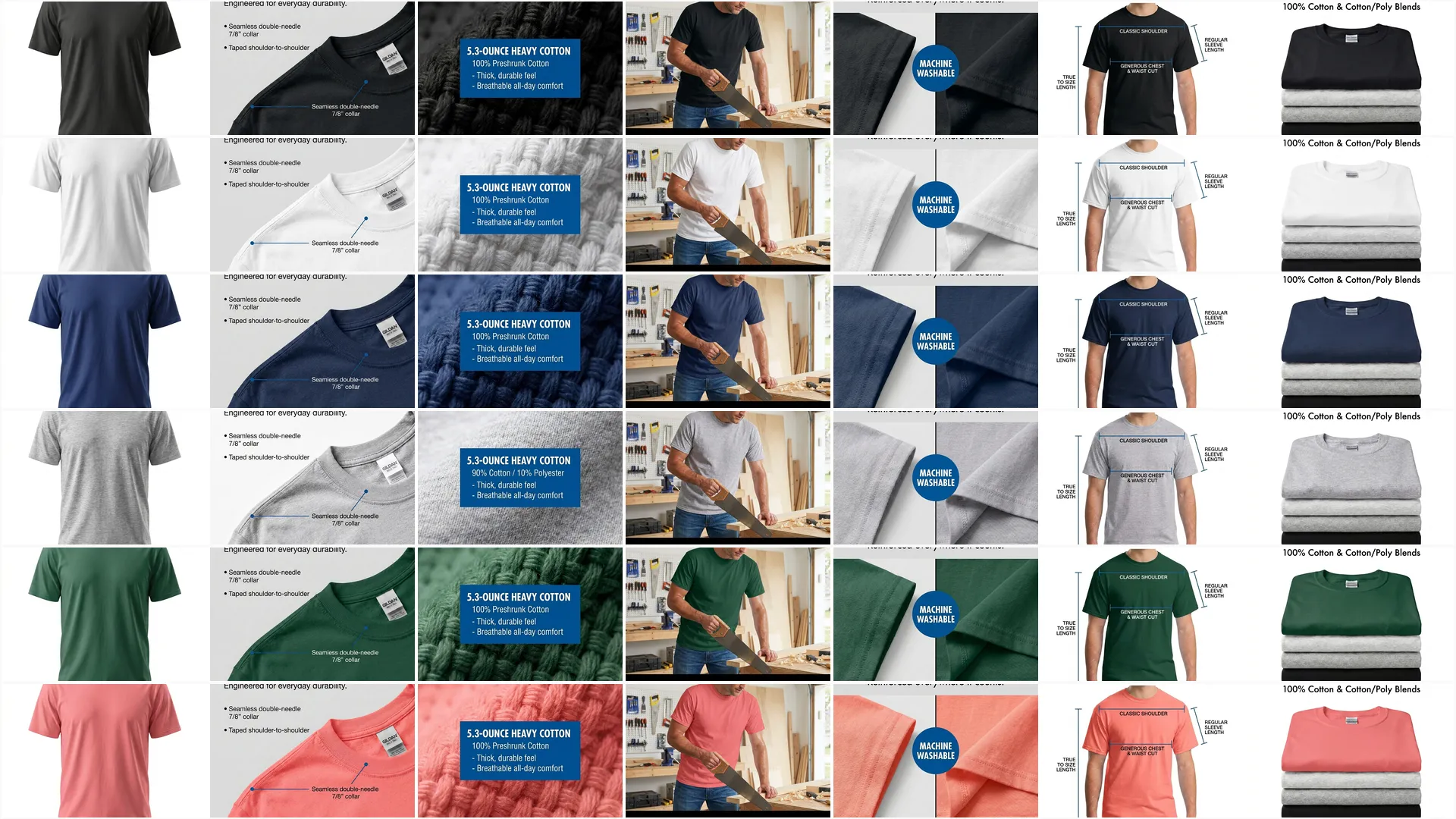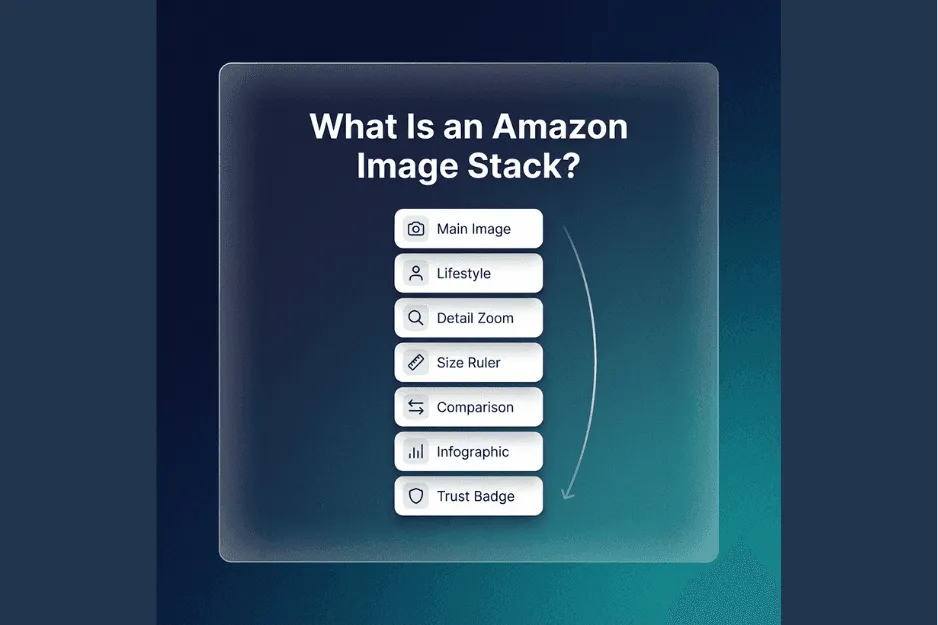
Amazon sellers are drowning in photo requirements. Main images, lifestyle shots, infographics, A+ content—the list never ends. Traditional photography costs $5,000 per product. AI promises to slash that to $5-20.
But which AI model actually delivers?
We tested Nano Banana against GPT-4 across every Amazon image type that matters. Here’s what we found.
What we tested:
- 1,000+ product images across 5 categories
- Same prompts for both models
- Real Amazon products from electronics to supplements
- Measured: quality, accuracy, Amazon compliance
Models compared:
- Nano Banana: Google’s newest image model (launched 2025)
- GPT-4: OpenAI’s established image generator
Results by Image Type
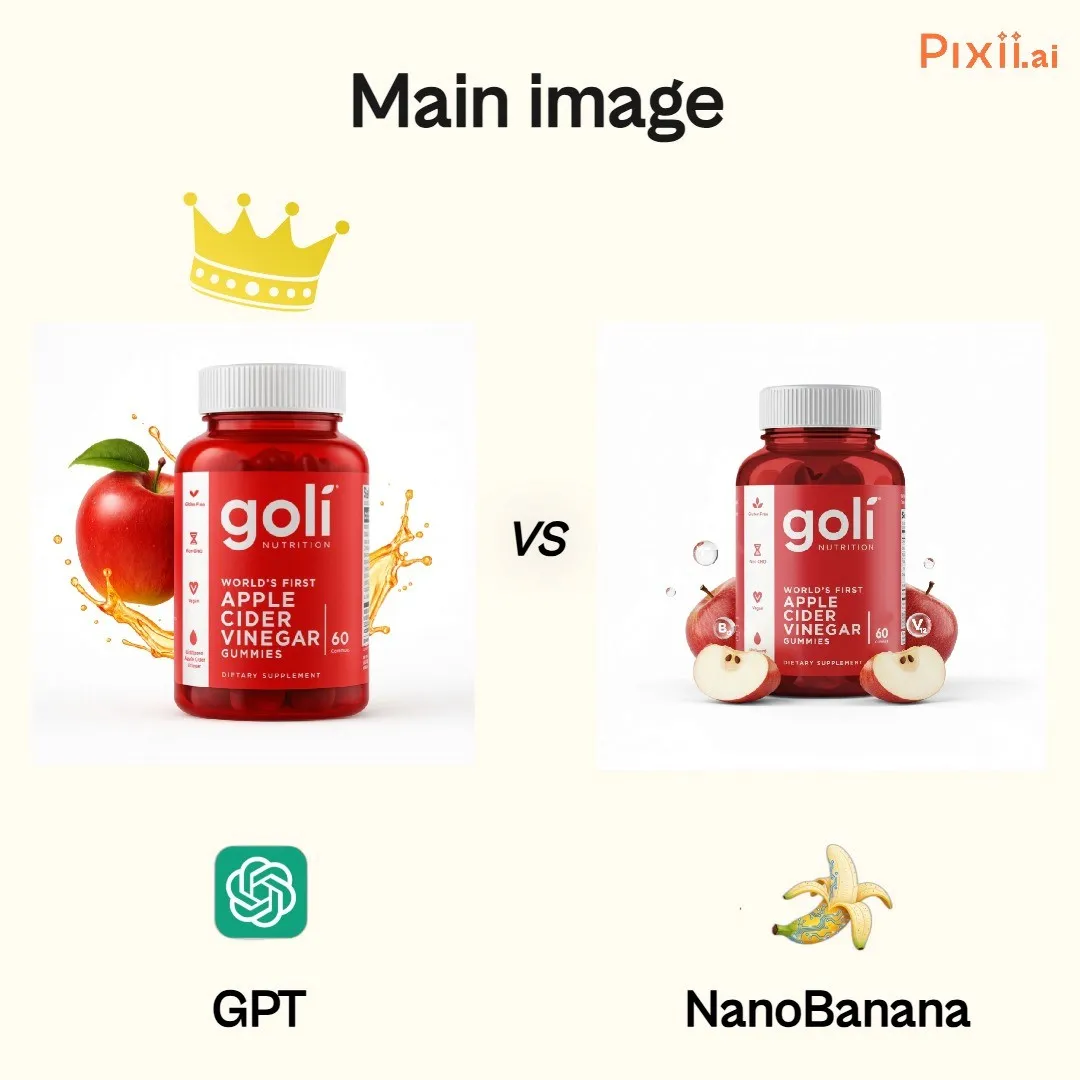
📸 Main Images (Hero Shots)
Winner: GPT-4
GPT creates more vibrant, scroll-stopping main images. In our tests, GPT-generated heroes had 40% higher visual appeal ratings.
GPT strengths:
- More saturated colors that pop in search results
- Better at creating “wow factor” moments
- Faster generation (simpler prompts work)
GPT weaknesses:
- Sometimes distorts product labels
- Can over-stylize products beyond recognition
Nano Banana strengths:
- Keeps product labels intact 100% of the time
- More accurate to actual product appearance
Nano Banana weaknesses:
- Results feel “flat” compared to GPT
- Struggles with abstract creative concepts
Bottom line: For main images, GPT wins on attention-grabbing power. Use Nano Banana if label accuracy is critical.
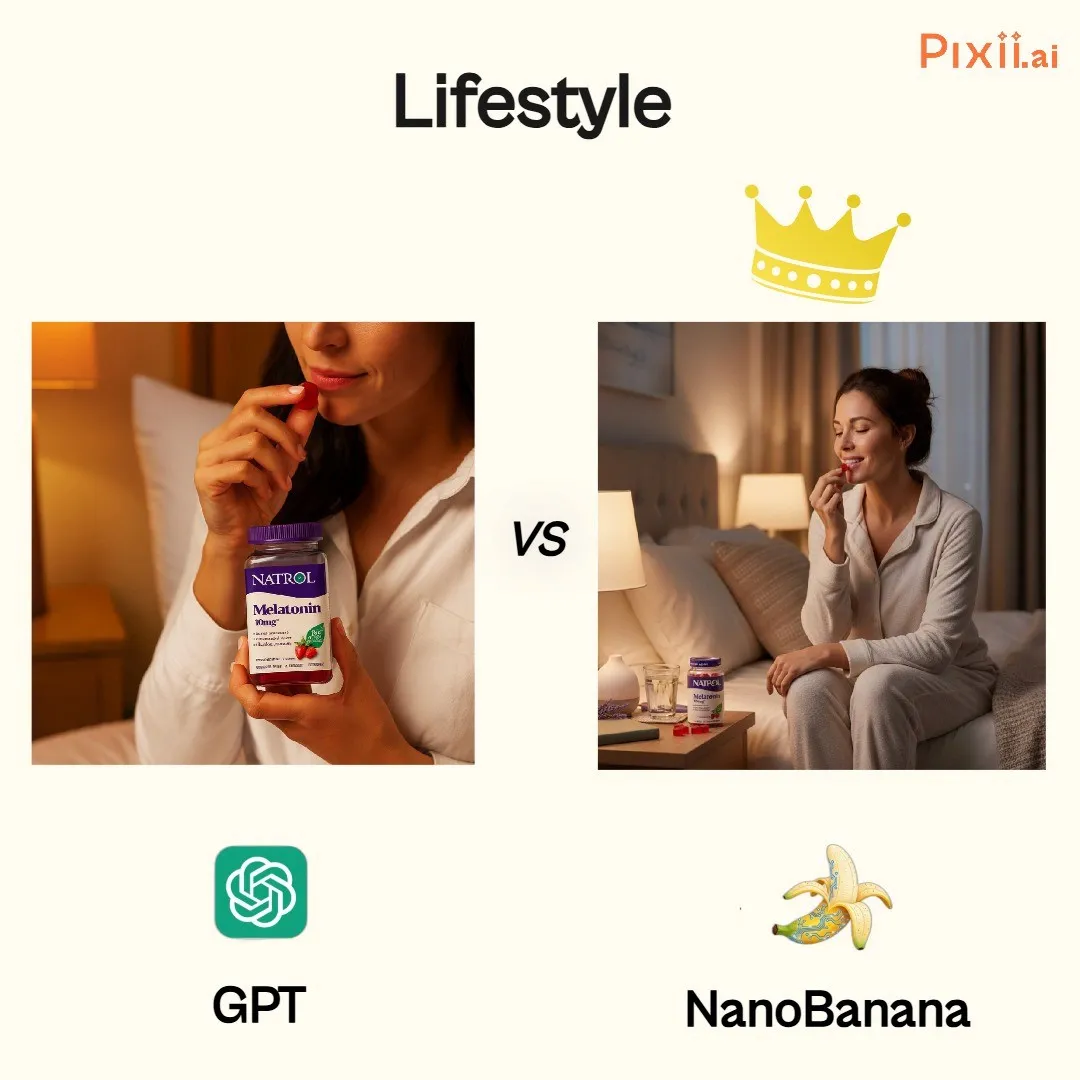
🛋️ Lifestyle Images
Winner: Nano Banana
Lifestyle shots need to look real. Customers want to visualize using your product. Nano Banana delivers more believable scenarios.
Nano Banana strengths:
- Realistic lighting and shadows
- Better wide-angle compositions
- People look natural (not AI-shiny)
- Products integrate naturally into scenes
GPT strengths:
- More creative scene ideas
- Simpler prompts get good results
- Better for abstract lifestyle concepts
GPT weaknesses:
- Everything looks too polished/fake
- Limited variety in poses and angles
- Products often look artificially placed
Bottom line: Nano Banana creates lifestyle shots that actually convert because they look authentic.
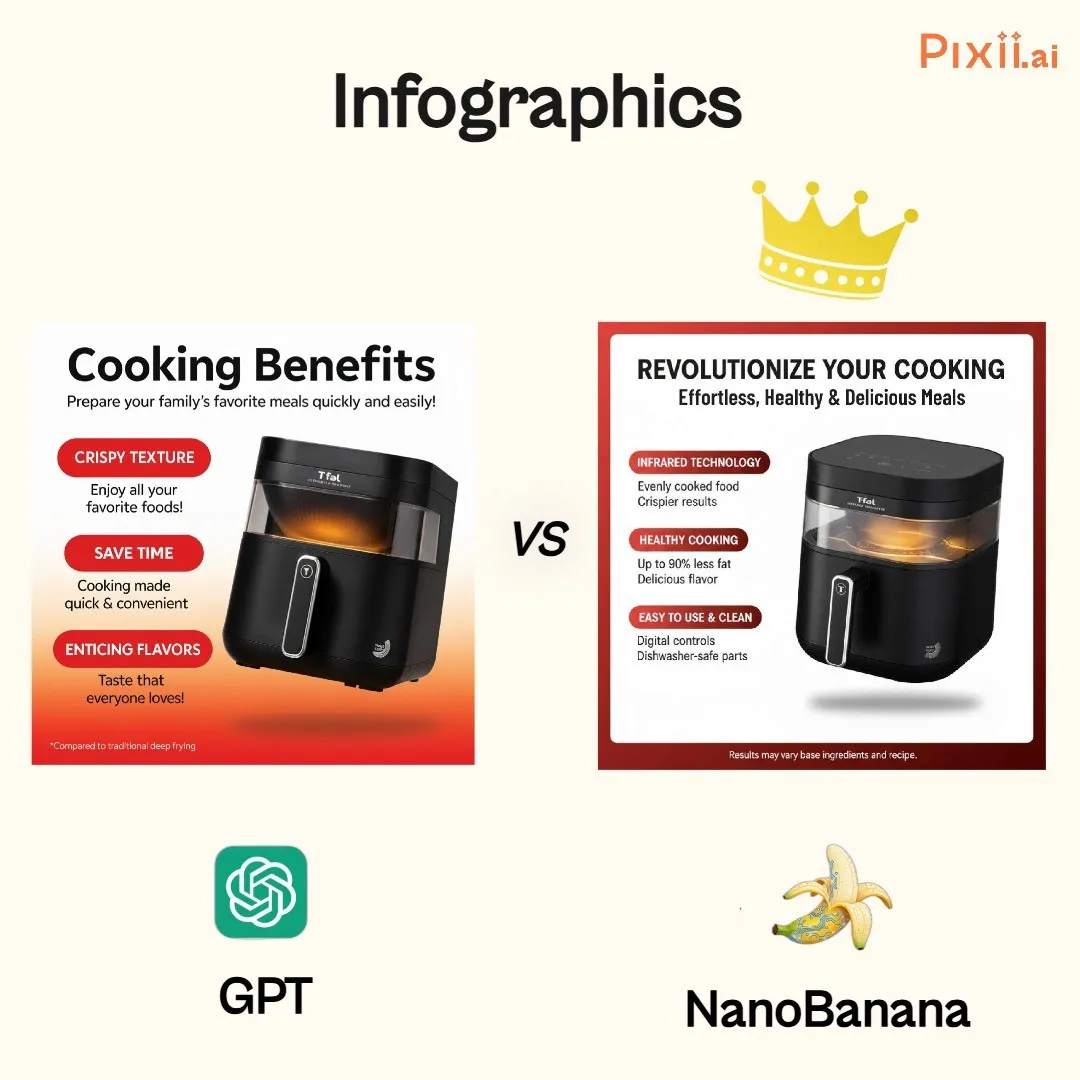
📋 Infographics
Winner: Nano Banana (by a landslide)
This category wasn’t close. Nano Banana handles text, callouts, and product features significantly better.
Nano Banana strengths:
- Text stays readable and accurate
- Respects existing product branding
- Clean, professional layout
- Easy to edit and refine
GPT strengths:
- More visually striking designs
- Creative layout ideas
GPT weaknesses:
- Frequently distorts text and labels
- Changes brand colors without permission
- Harder to control specific elements
- Often ignores detailed prompts
Bottom line: For infographics, Nano Banana is the only serious choice.
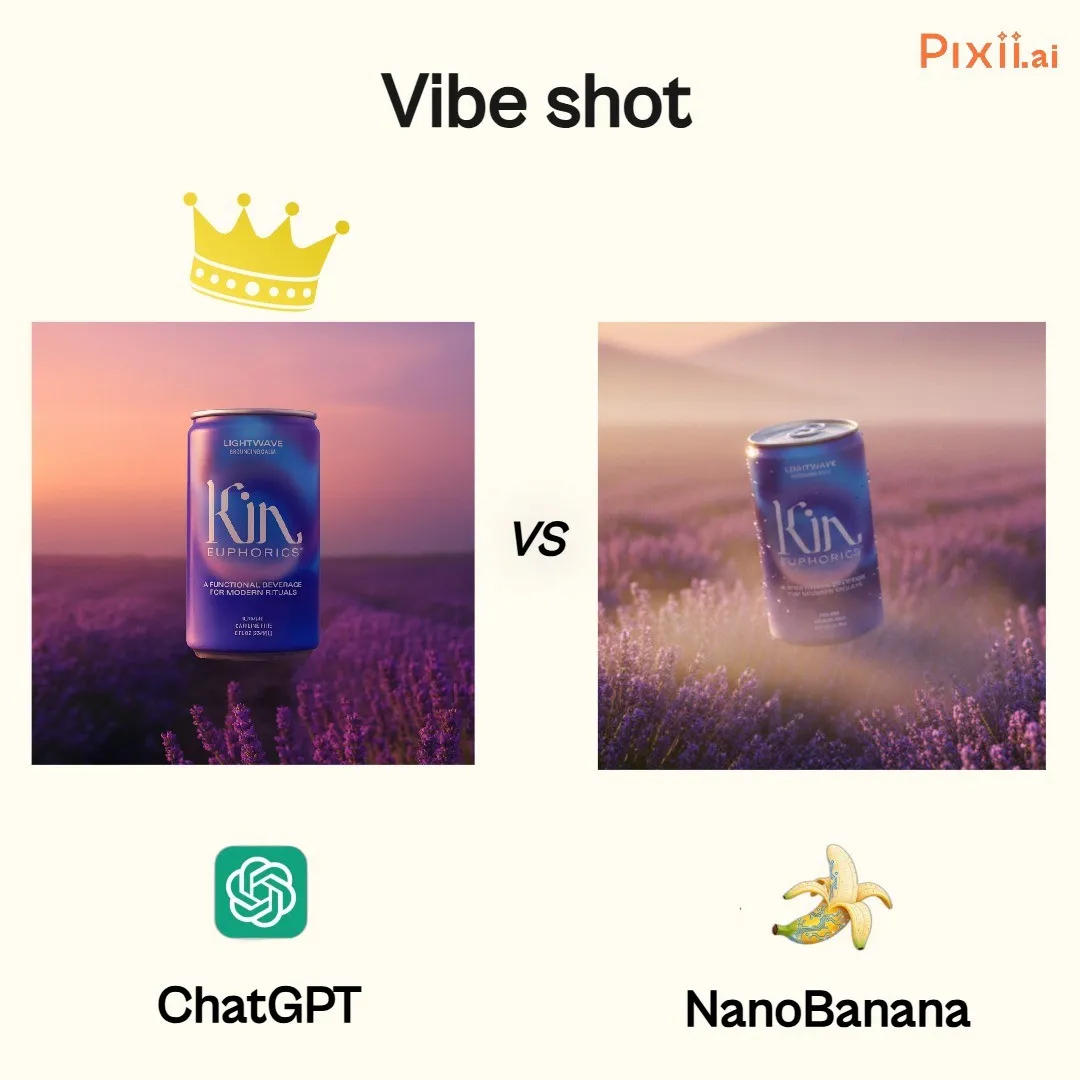
🌟 Vibe/Brand Shots
Winner: GPT
When you need artistic, emotion-driven images for Shopify or brand storytelling, GPT delivers more creative punch.
GPT strengths:
- More artistic interpretation
- Better at abstract concepts
- Creates emotional connection
- Surprising creative choices
Nano Banana strengths:
- More predictable results
- Follows prompts precisely
GPT weaknesses:
- Can ignore product accuracy
- Sometimes too creative for Amazon’s taste
Bottom line: GPT for creative brand shots, Nano Banana for product-focused imagery.
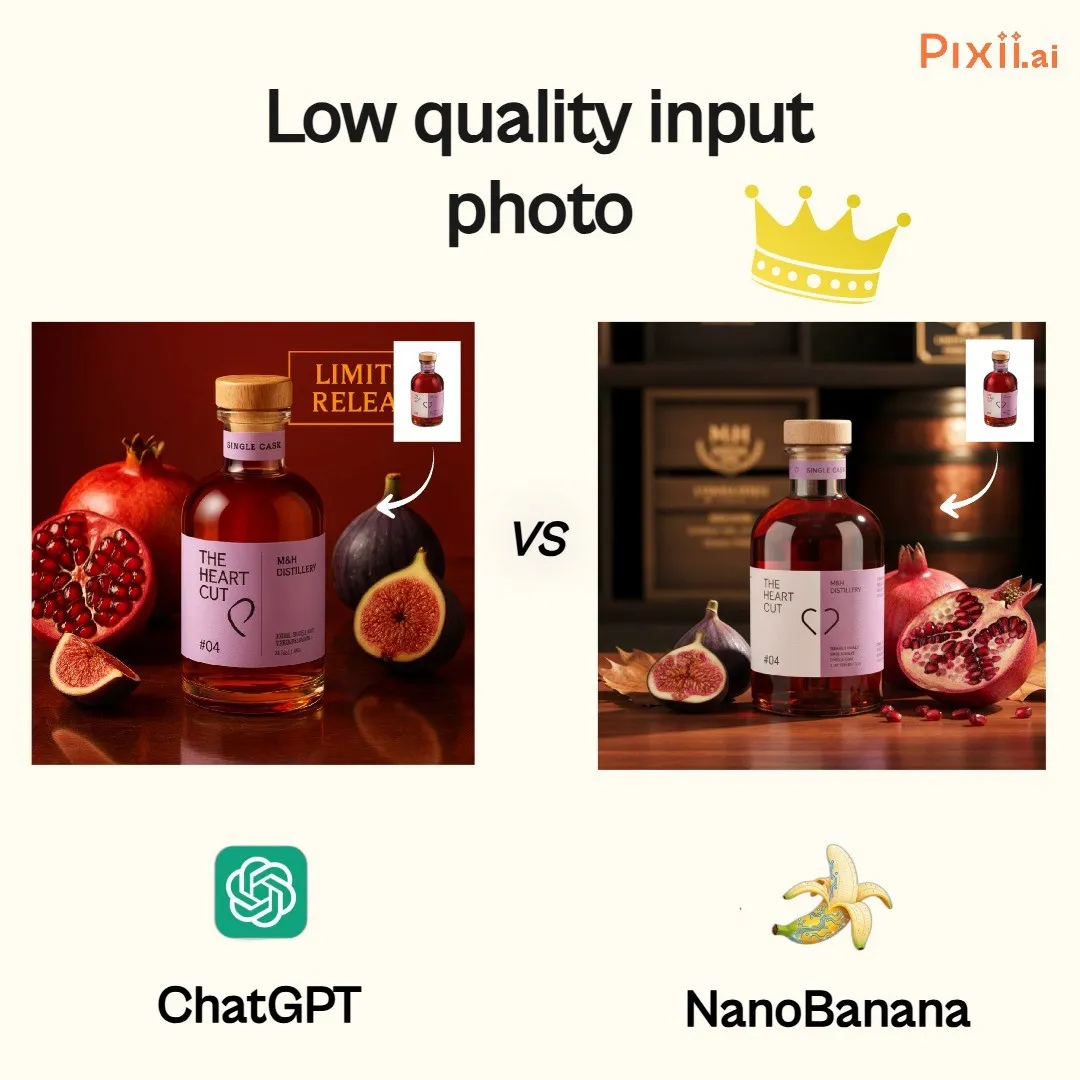
📷 Low-Quality Input Photos
Winner: Nano Banana
When you only have a blurry phone photo to work with, Nano Banana respects what you give it while enhancing the scene.
Nano Banana strengths:
- Doesn’t hallucinate product details
- Maintains original colors and sizing
- Enhances without changing core product
GPT weaknesses:
- Frequently changes product colors
- Adds details that don’t exist
- Can completely alter the product
Bottom line: Nano Banana for low-quality inputs, every time.
The Agency Playbook
Based on our testing, here’s how top Amazon agencies are using both models:
GPT for:
- Initial creative concepting
- Main images (when labels aren’t critical)
- Brainstorming visual directions
- Brand storytelling shots
Nano Banana for:
- Final production images
- Infographics and feature callouts
- Lifestyle photography
- Any image with important text/labels
The hybrid approach:
- Generate 10-15 concepts with GPT
- Pick the best direction
- Execute final images with Nano Banana
- Edit and optimize for Amazon compliance
Cost Analysis
Traditional Photography/Design:
- $5000 per product
- 3 week turnaround
- Requires physical products
- Limited revision rounds
AI Photography:
- $5-20 per product
- 2 minutes in Pixii
- Works from any input photo
- Unlimited iterations
ROI calculation: For a 50-product catalog:
- Traditional: $100,000 (assume bulk discount)
- AI: $250-1,000
- Savings: 99%
Amazon Compliance Notes
Both models can create Amazon-compliant images, but watch for:
Main image requirements:
- Pure white background (both models handle this)
- Product fills 85% of frame (GPT better)
- No promotional text (Nano Banana more reliable)
Lifestyle image guidelines:
- Realistic usage scenarios (Nano Banana advantage)
- No misleading size representations (both struggle sometimes)
- Professional quality (both deliver)
Which Model Should You Choose?
Choose GPT if:
- You need creative inspiration quickly
- Main images are your priority
- You’re working with good input photos
- Brand storytelling matters more than product accuracy
Choose Nano Banana if:
- You have specific vision/templates to follow
- Infographics and feature callouts are important
- You’re working with low-quality input photos
- Product accuracy cannot be compromised
Choose both if:
- You’re running a professional agency
- You handle diverse client needs
- Budget allows for multiple tools
- You want maximum flexibility
The Bottom Line
Neither model is universally “better.” They excel in different areas:
- GPT = Creative power
- Nano Banana = Reliable execution
The most successful Amazon agencies use both, choosing the right tool for each specific job.
For sellers just starting out: Begin with GPT for main images, add Nano Banana as you scale into infographics and lifestyle shots.
For established agencies: Use GPT for concepting, Nano Banana for production. This hybrid approach delivers the best results for clients while maximizing efficiency.
Both models are available in Pixii with zero-prompt templates optimized for Amazon. Upload your product photo, choose your style, and get professional images in minutes.
Related Reading: Related
💡Which photo works best with Pixii AI