

The result
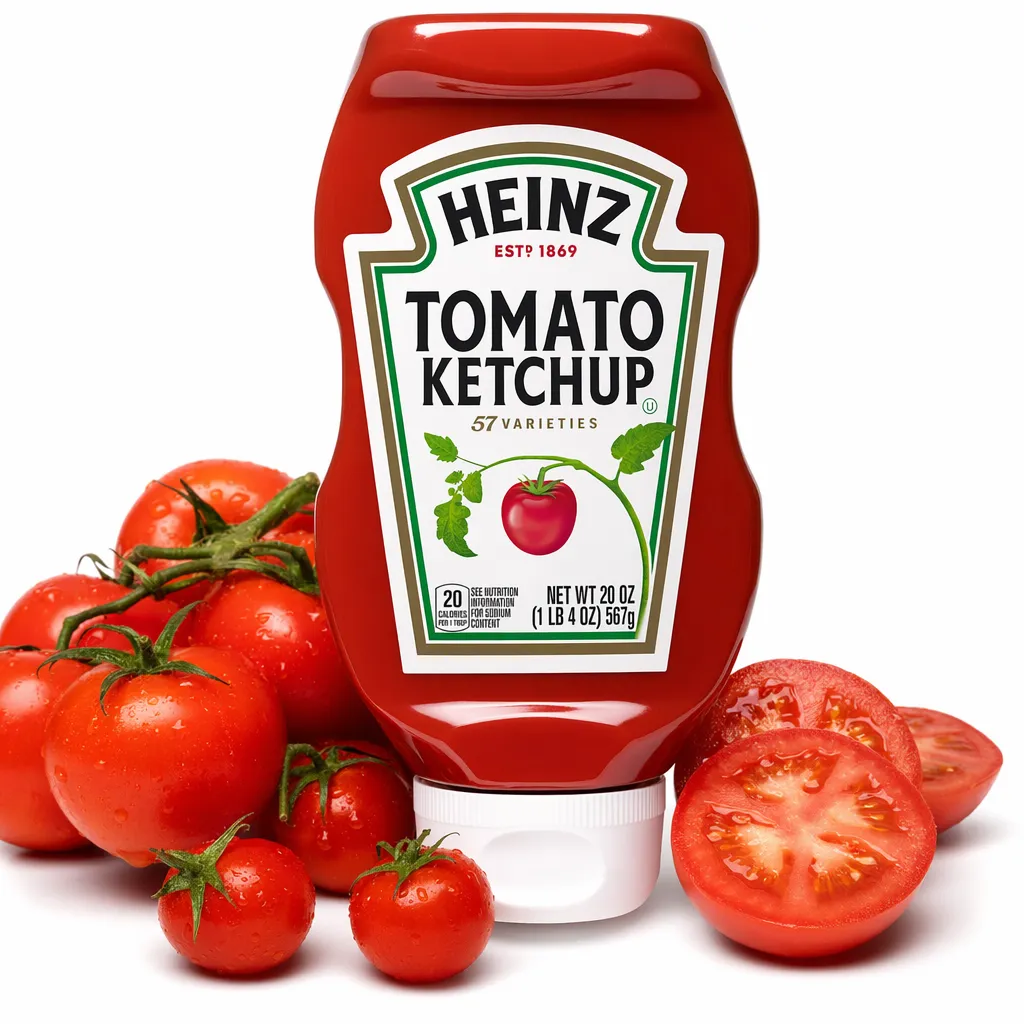
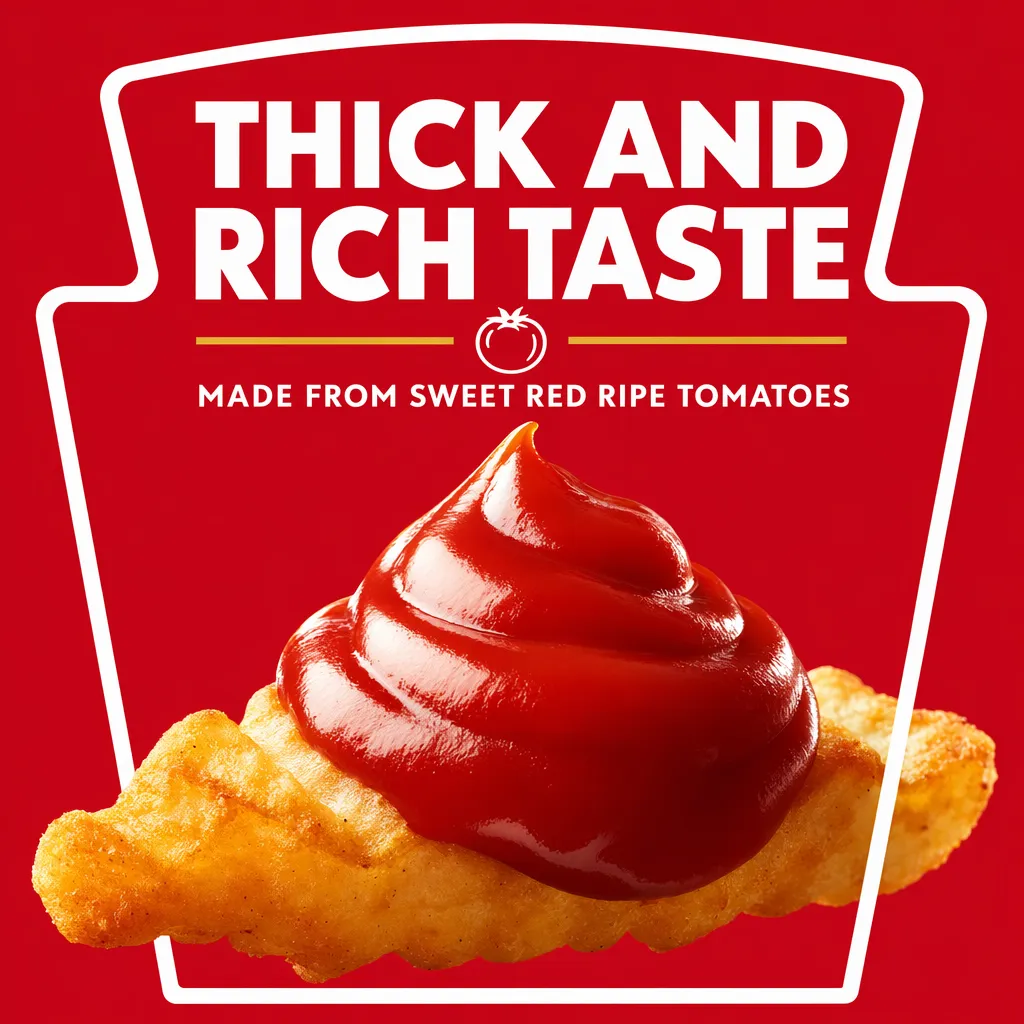
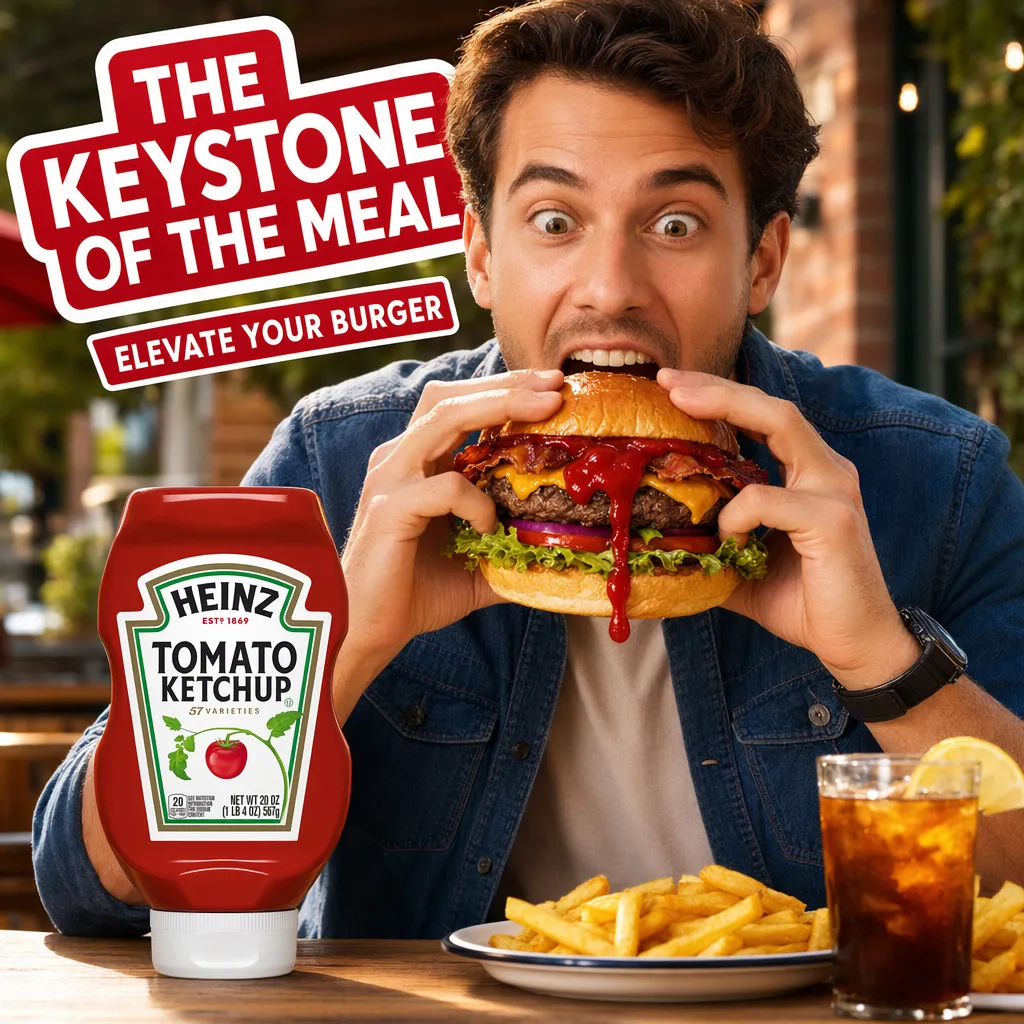
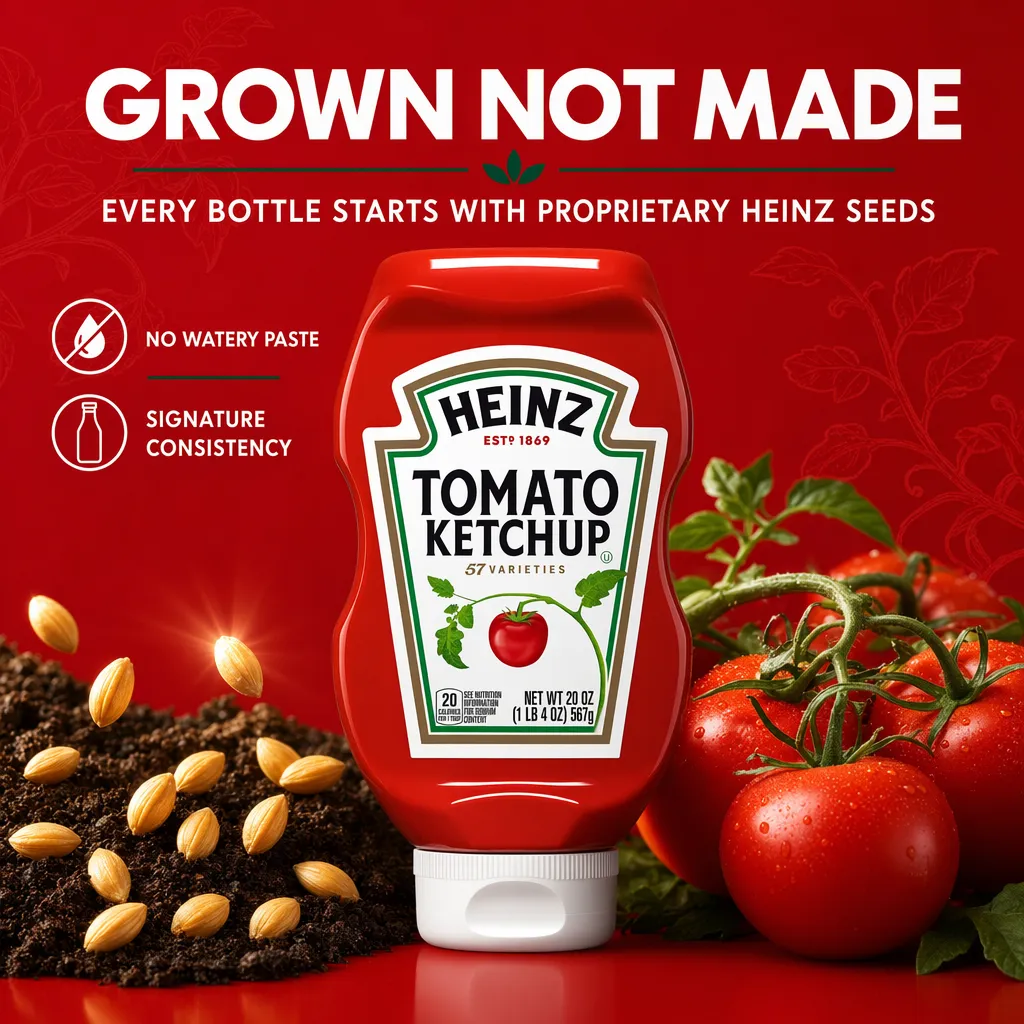
Under a disclosed rubric that rewards accuracy, compliance, and a complete listing set, Pixii leads the v1.0 Listing Quality Index with 90.6 out of 100, shown with a real generated set for the benchmark product. Photoroom is a close second on its real cutout, which preserves the product perfectly but stops at a single image, and Flair AI’s real output preserves the product but composites it into an awkward scene. The other five tools are scored from market research for this edition, and the quarterly refresh adds their real outputs as they are collected.
The full standings:
| Rank | Tool | Weighted total |
|---|---|---|
| 1 | Pixii | 90.6 |
| 2 | Photoroom | 82.0 |
| 3 | Soona | 81.5 |
| 4 | Flair AI | 74.8 |
| 5 | Claid | 74.0 |
| 6 | Pebblely | 68.9 |
| 7 | Canva AI | 67.8 |
| 8 | Creatify | 54.6 |
Why this matters
Listing images are the part of an Amazon, Walmart, or TikTok Shop page a shopper reads first. The risk with AI generated listing images is not whether they look attractive. It is whether the product, the packaging, the label, and any on-image claims are accurate enough to publish, and whether the output is a complete listing rather than a single image. This index measures that, on a real product, with one rubric applied the same way to every tool.
Methodology
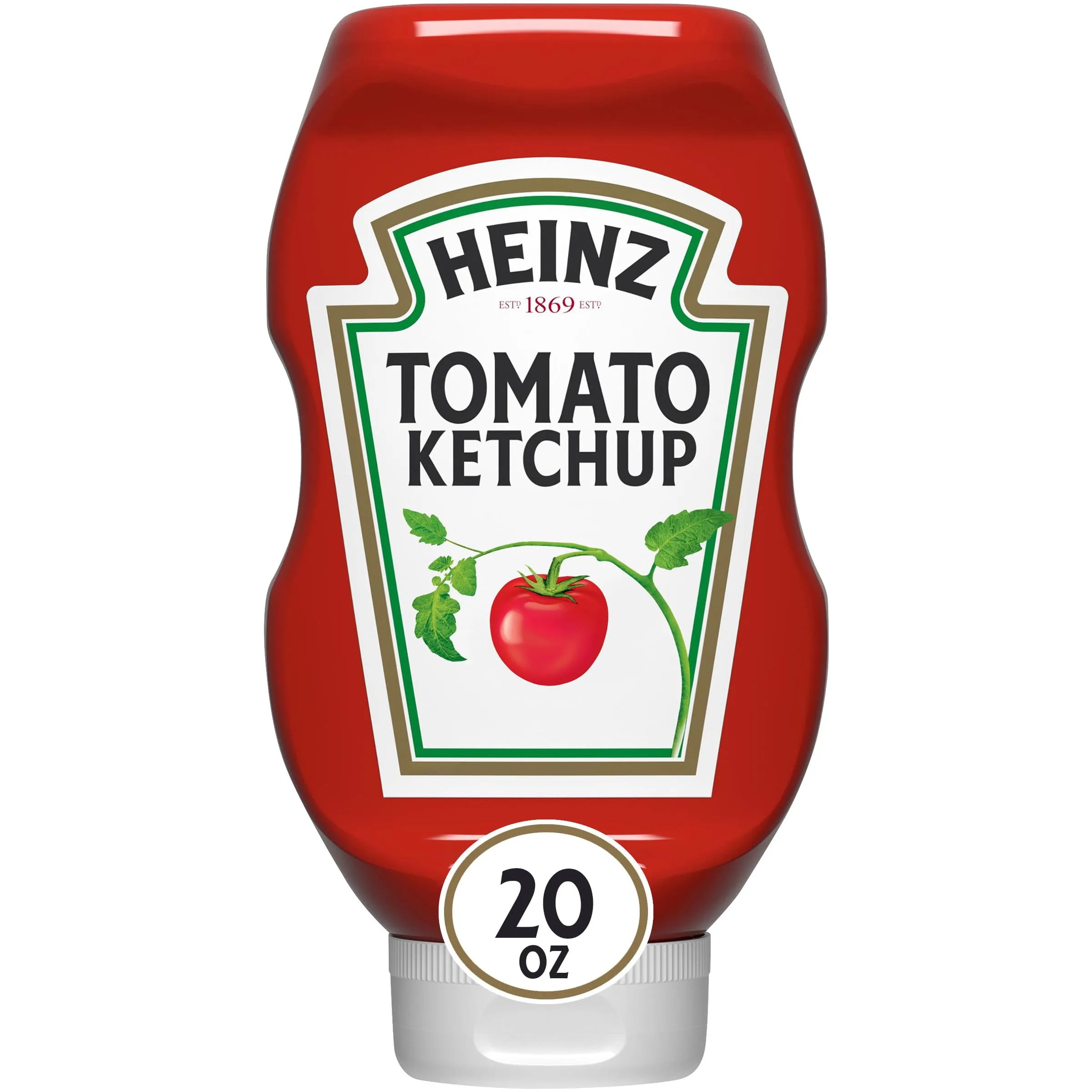
Benchmark product: HEINZ Tomato Ketchup Inverted Squeeze Bottle, 20 oz (ASIN B000WHSD5A), Heinz (Kraft Heinz, Fortune 500). Category: Grocery / Condiments. Run date: 2026-06-30. Methodology version: v1.0. Quarter: 2026-Q3.
One rubric, applied the same way to every tool, against one benchmark ASIN. Two evaluator perspectives (ecommerce quality + marketplace compliance) scored each of the 8 rubric criteria 0-100; a vision check assisted but was not the sole evaluator. Weighted total uses the published weights. Pixii, Photoroom, and Flair AI are image-verified for this edition: their scores come from real outputs generated on the benchmark product (Pixii’s full listing set, Photoroom’s background-removal output, and Flair’s canvas composite). The other five tools are scored from market research for v1.0: each tool’s documented capabilities, public galleries, and free-tier behavior, scored on the same rubric. Limitations: a single ASIN in one category, and five of the eight tools are scored from market research rather than an output produced for this exact product. The quarterly refresh adds real outputs for the remaining tools on the benchmark product as they are collected.
The eight criteria and their weights:
| Criterion | Weight | What it measures |
|---|---|---|
| Product fidelity | 25 | Shape, color, packaging, proportions, logo, label accuracy. |
| Distortion avoidance | 20 | No warped text, melted packaging, incorrect dimensions, fake claims, or impossible geometry. |
| Marketplace usefulness | 15 | Suitable for Amazon listing context and buyer decision-making. |
| Text and claim accuracy | 10 | No invented certifications, ingredients, features, badges, or compliance claims. |
| Visual hierarchy | 10 | Clear benefit communication and scannability. |
| Editability | 8 | Ability to revise layout, copy, assets, and design elements. |
| Brand consistency | 7 | Maintains product and brand identity. |
| Output completeness | 5 | Produces the required number and type of listing assets. |
Evidence
We start from the live Amazon main image for the benchmark product, then generate a complete listing set with Pixii. The input:
From that single input, Pixii returns a full editable listing set. Four outputs from the set generated for this product:
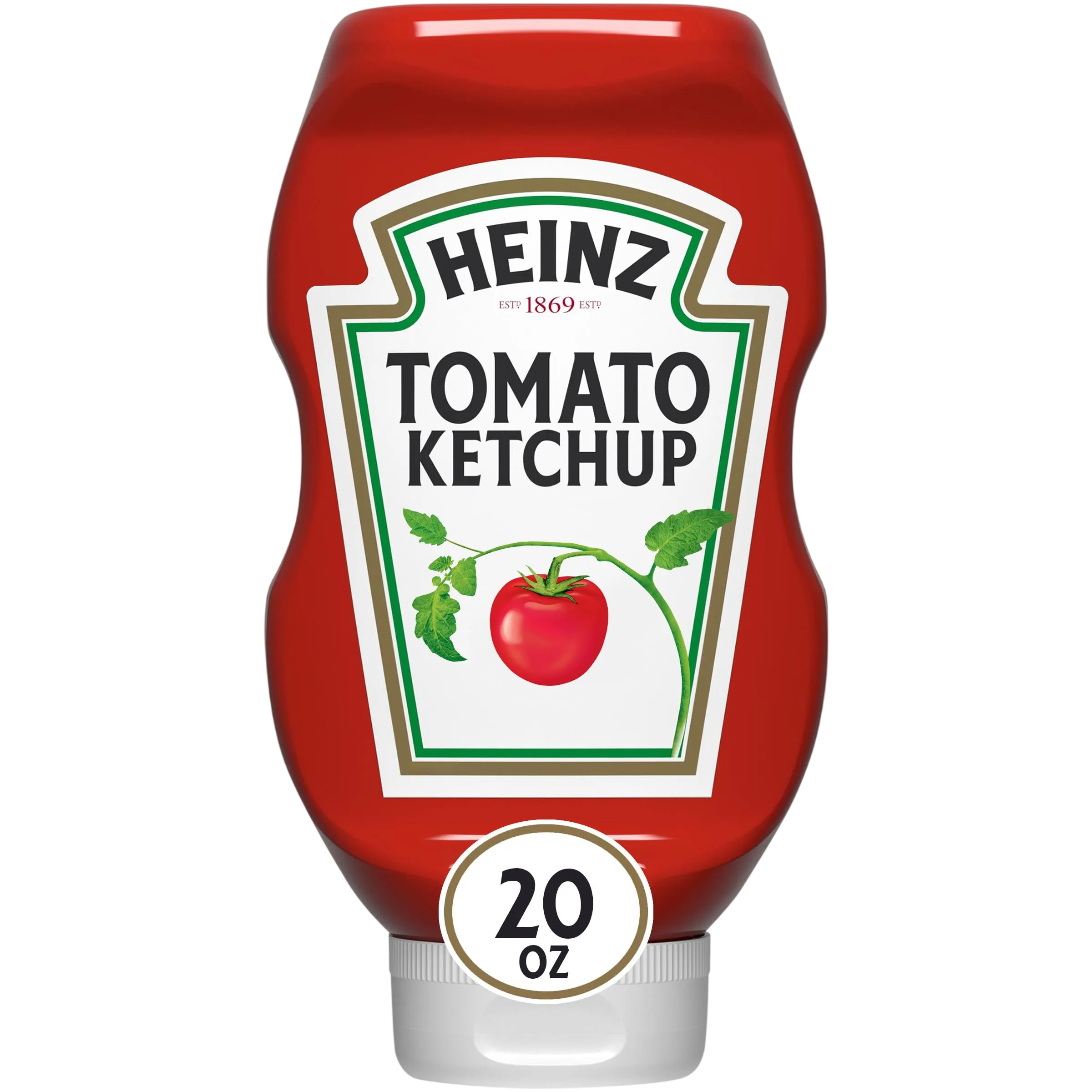
Photoroom was also run on the same product. Its free background remover returned a clean, full-resolution cutout with the label and net weight preserved exactly:
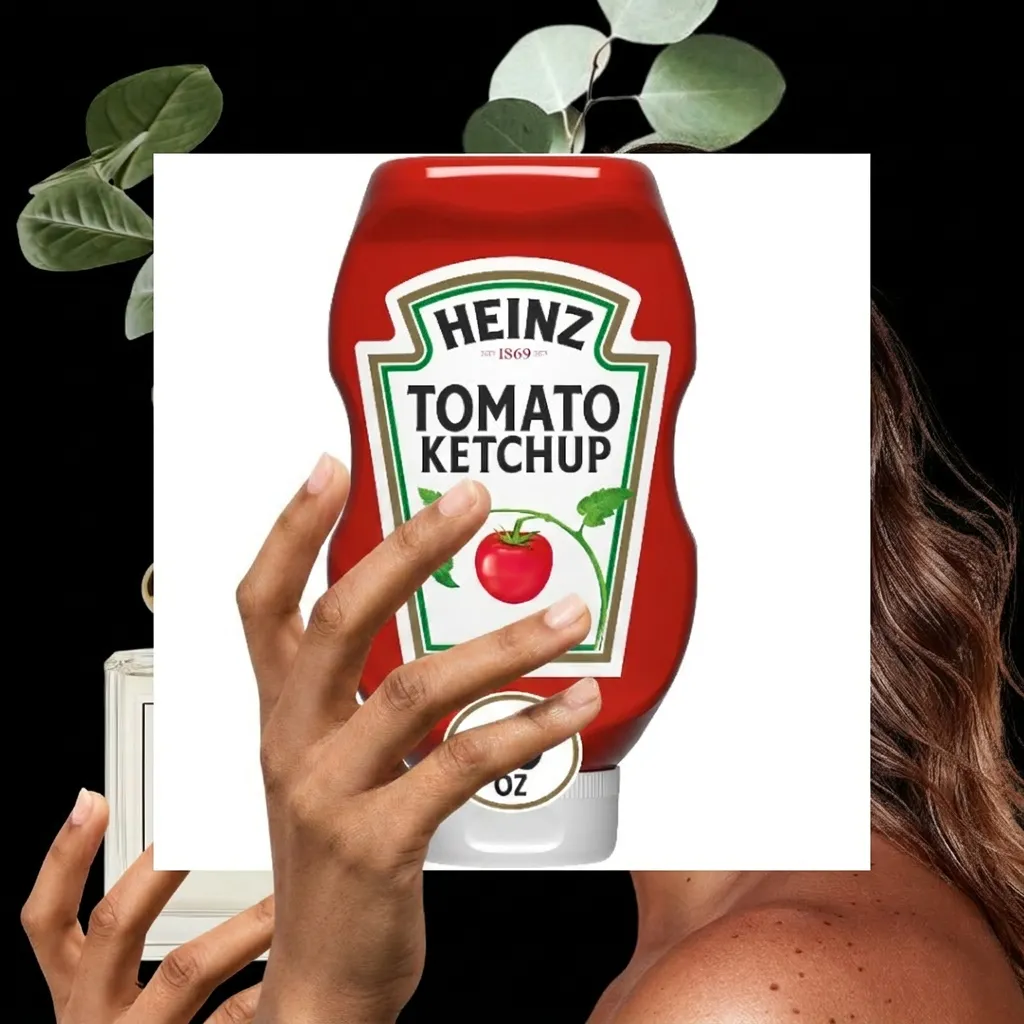
Flair AI was run on the same product through its drag-and-drop canvas. It kept the real product cutout, so the label and claims are preserved, but composited it over a generated scene:
The remaining five tools are scored from market research for this edition: each tool’s documented capabilities, public galleries, and free-tier behavior, scored on the same rubric. The quarterly refresh adds real outputs for those tools on the benchmark product as they are collected.
Scores by criterion
Every per-criterion score, scored the same way for each tool.
| Capability | Pixii | Photoroom | Soona | Flair AI | Claid | Pebblely | Canva AI | Creatify |
|---|---|---|---|---|---|---|---|---|
| Weighted total (0-100) | 90.6 | 82.0 | 81.5 | 74.8 | 74.0 | 68.9 | 67.8 | 54.6 |
| Product fidelity (25%) | 90 | 96 | 96 | 88 | 85 | 80 | 68 | 62 |
| Distortion avoidance (20%) | 88 | 97 | 95 | 80 | 80 | 76 | 62 | 60 |
| Marketplace usefulness (15%) | 95 | 74 | 80 | 58 | 72 | 65 | 60 | 35 |
| Text and claim accuracy (10%) | 86 | 96 | 92 | 92 | 78 | 75 | 70 | 60 |
| Visual hierarchy (10%) | 92 | 42 | 55 | 48 | 48 | 42 | 78 | 60 |
| Editability (8%) | 92 | 75 | 45 | 80 | 70 | 68 | 90 | 55 |
| Brand consistency (7%) | 90 | 82 | 82 | 80 | 78 | 70 | 72 | 60 |
| Output completeness (5%) | 96 | 40 | 50 | 42 | 45 | 38 | 48 | 25 |
How to read it: each tool is built for a different job, so a high score on one criterion and a lower one on another reflects that job, not quality in the abstract. A managed photography service leads on product fidelity because it uses real photos. A general design tool leads on editability. The weighted total rewards the tools that deliver an accurate, complete, marketplace-ready listing set.
How to use this index
Match the job to the score, not the headline rank:
| If you need | Optimize for | Where the rubric points |
|---|---|---|
| A complete, editable Amazon listing set from an ASIN | Marketplace usefulness and output completeness | Pixii |
| Maximum hero-shot fidelity, with time and budget | Product fidelity | A managed photography service |
| A single clean cutout or a one-off scene | Distortion avoidance | A dedicated photo editor or scene generator |
Whatever you choose, verify on-image text and claims before publishing. Invented badges or certifications are a compliance risk, which is why the index scores text and claim accuracy separately.
Refresh schedule and change log
This index is refreshed quarterly. Current edition: 2026-Q3, methodology v1.0. Next refresh due around 2026-09-30.
- 2026-06-30: v1.0 baseline published. Eight tools scored on ASIN B000WHSD5A (HEINZ Tomato Ketchup Inverted Squeeze Bottle, 20 oz). Pixii, Photoroom, and Flair AI image-verified with real outputs on the benchmark product; the other five tools scored from market research. Photoroom placed second (clean cutout, high fidelity and distortion) and Flair AI fourth (real product preserved, but an awkward composited scene).
Frequently asked questions
What is the Listing Quality Index?
How are the tools scored?
Which product was used for the benchmark?
How are the competitor scores sourced?
How often is the index updated?
Why do photography services and video tools score differently?
Sources
- Pixii.ai homepage. https://www.pixii.ai/
- Pixii API listing builder. https://www.pixii.ai/api-docs/listing-builder/
- Pixii resources (free Listing Grader). https://www.pixii.ai/resources/
- Amazon Seller Central product image guide. https://sellercentral.amazon.com/help/hub/reference/external/G1881?locale=en-US
- Walmart Marketplace image guidelines. https://marketplacelearn.walmart.com/guides/Item%20setup/Item%20content%2C%20imagery%2C%20and%20media/Product-detail-page%3A-Image-guidelines-%26-requirements
- TikTok Shop product listing policy. https://seller-us.tiktok.com/university/essay?knowledge_id=3196690250417921
- Google Article structured data. https://developers.google.com/search/docs/appearance/structured-data/article
- Google guide to optimizing for generative AI features. https://developers.google.com/search/docs/fundamentals/ai-optimization-guide
- Heinz Tomato Ketchup benchmark ASIN. https://www.amazon.com/dp/B000WHSD5A